Homesealed Experts Answer Your Questions About Double and Triple Glazing
Homesealed Experts Answer Your Questions About Double and Triple Glazing

Iain & James Answer Your Questions About Double and Triple Glazing
This conversation was recorded in February 2026. Iain Henderson is Homesealed’s customer care manager. James Holland is our window expert. They answer questions we hear often from people in Glasgow, Edinburgh, Fife and across Central Scotland.
Why do people choose double‑glazed or triple‑glazed windows?
Iain: a lot of people ask me whether double glazing is still the norm or if triple glazing has become standard. what’s the real difference?
James: the main difference is the number of panes and the insulation they provide. double‑glazed windows have two panes of glass with an air or gas space between them. triple‑glazed windows add a third pane with two gas‑filled gaps. more layers mean less heat passing through. modern A‑rated double glazing can reach U‑values between about 1.2 and 1.4 W/m²K, while triple‑glazed units can drop to around 0.8 W/m²K. a lower U‑value means less heat escapes, so your house stays warmer without burning extra fuel.
Triple glazing does cost more – roughly 10–20 % more than double glazing – and the units are heavier because of the extra glass. But they offer better insulation and noise reduction. For a typical home in Glasgow or Edinburgh we still install mostly double glazing. It provides a good balance between cost and energy savings. People in exposed coastal areas like East Lothian or Fife often choose triple glazing for extra comfort because it helps keep out strong winds and street noise.
How much can modern windows save on energy bills?
Iain: if someone is replacing old single‑pane windows, how much could they expect to save?
James: replacing single‑glazed windows with new A‑rated double glazing can save around £140 per year in a typical semi‑detached home in Scotland. Upgrading from single to A‑rated double glazing also reduces CO₂ emissions by about 380 kg per year, so it helps the environment. triple glazing can go further – some studies estimate that upgrading from double to triple glazing can cut heating costs by up to 50 %, though the real saving depends on how exposed the house is, current energy prices and how well the rest of the building is insulated.
In Scotland the weather is cold and windy. High‑performance windows create a thermal barrier that keeps warmth inside and shields homes from cold winds. That makes houses cosier and reduces fuel bills year‑round.
What makes modern glazing so efficient?
Iain: people see terms like low‑E glass and warm‑edge spacers. can you explain what those mean in simple terms?
James: sure. Low‑E (low emissivity) glass has a very thin, almost invisible metallic coating. It reflects heat back into your house while still letting daylight through. This coating can reduce heat transfer and energy loss by up to 50 %. There are hard‑coat and soft‑coat versions; soft‑coat low‑E glass tends to block more heat but must be sealed inside double or triple glazing.
Between the glass panes we fill the gap with inert gases – usually argon or krypton. These gases conduct heat less than air, which slows heat loss. In high‑end units we also use warm‑edge spacers (small strips that separate the panes). Spacers made with low‑conductivity materials reduce condensation and heat loss around the edges. It’s the combination of glass coatings, gas fills and warm‑edge spacers that makes modern windows so efficient.
Why is the frame material important?
Iain: does the type of window frame – uPVC, timber or aluminium – affect performance?
James: yes. uPVC frames have low thermal conductivity and typically achieve U‑values around 1.2–1.4 W/m²K. They require little maintenance and are cost‑effective. Timber frames are naturally insulating but need periodic care; they tend to achieve 1.4–1.6 W/m²K. Aluminium frames must have a thermal break to prevent heat loss; with this they reach about 1.6 W/m²K. Composite frames combine timber on the inside and aluminium or uPVC externally. On Scotland’s east coast we often recommend aluminium or uPVC because they resist the salt‑laden air and strong winds; salt can corrode standard frames.
How does Scotland’s weather affect window choice?
Iain: speaking of weather, what special challenges do our climate and coastal areas pose?
James: Scotland’s climate is harsh. We get cold winters, high winds and frequent rainfall. Homes on the east coast face strong North Sea gusts and corrosive salt air. Traditional glazing can leak, causing condensation and heat loss. To cope with this we look for windows that are wind‑resistant and moisture‑tight. For coastal homes we use corrosion‑resistant materials such as aluminium or uPVC.
We also choose triple glazing or at least high‑performance double glazing with laminated glass, because the extra pane improves insulation and noise control. Advanced seals prevent draughts and stop salty air from getting into the frames. In Edinburgh’s old stone houses and Fife’s exposed villages, triple‑glazed storm‑proof windows help maintain a constant temperature and protect against driving rain and wind.
How do modern windows improve security?
Iain: many people worry about break‑ins. how secure are today’s windows compared to old single‑glazed ones?
James: modern double and triple glazing are far more secure. There are several reasons:
- Multi‑point locking systems: instead of a single latch, modern windows have locks that secure the sash at several points along the frame. These locks make it much harder for someone to force a window open.
- Robust frames: uPVC and aluminium frames with internal reinforcements provide a tougher barrier than old timber frames.
- Laminated and tempered glass: laminated glass has a plastic interlayer, so even if it’s broken it stays largely intact. Tempered glass shatters into small blunt pieces and is harder to break.
- Proper installation: even the best window can be a weak point if it’s not fitted correctly.
A lot of modern products also meet PAS 24 security standards. This is a UK test that simulates burglary attempts. To pass, a window has to resist manual attacks, mechanical loading and impact tests. PAS 24 certification is recommended by Approved Document Q and the police Secured by Design scheme. It verifies that the locks, hinges and glass can withstand common break‑in tools. Choosing PAS 24‑certified windows gives you peace of mind and can even reduce some home insurance premiums.
What is Part Q and why does it matter?
Iain: we’ve mentioned part Q a couple of times. could you clarify what it is?
James: Approved Document Q is part of the UK Building Regulations. It sets minimum security standards for new dwellings and extensions. For windows, Part Q requires resistant frames and locks tested to PAS 24. In short, if you’re building a new extension or replacing windows on a new house, the windows must be designed to resist forced entry. When Homesealed installs windows in new builds around Lanarkshire or West Lothian, we make sure they comply with Part Q so customers meet planning requirements.
Are modern windows safe for families?
Iain: can you talk about safety features, particularly for families with children?
James: modern windows incorporate several safety features:
- Toughened (tempered) glass breaks into small, less harmful fragments.
- Child‑safety restrictors limit how far a window opens. This is important for upstairs bedrooms and meets Part Kof the building regulations, which covers preventing falls.
- Internally beaded frames mean the glazing bead (which holds the glass in place) is on the inside, so it can’t be removed from outside.
- Some designs allow windows to tilt inwards for ventilation without children or pets squeezing through, such as tilt‑and‑turn windows.
What styles of windows are available and what suits different homes?
Iain: homesealed offers casement, sash, flush sash, tilt‑and‑turn and fully reversible windows. can you explain the differences and who they suit?
James:
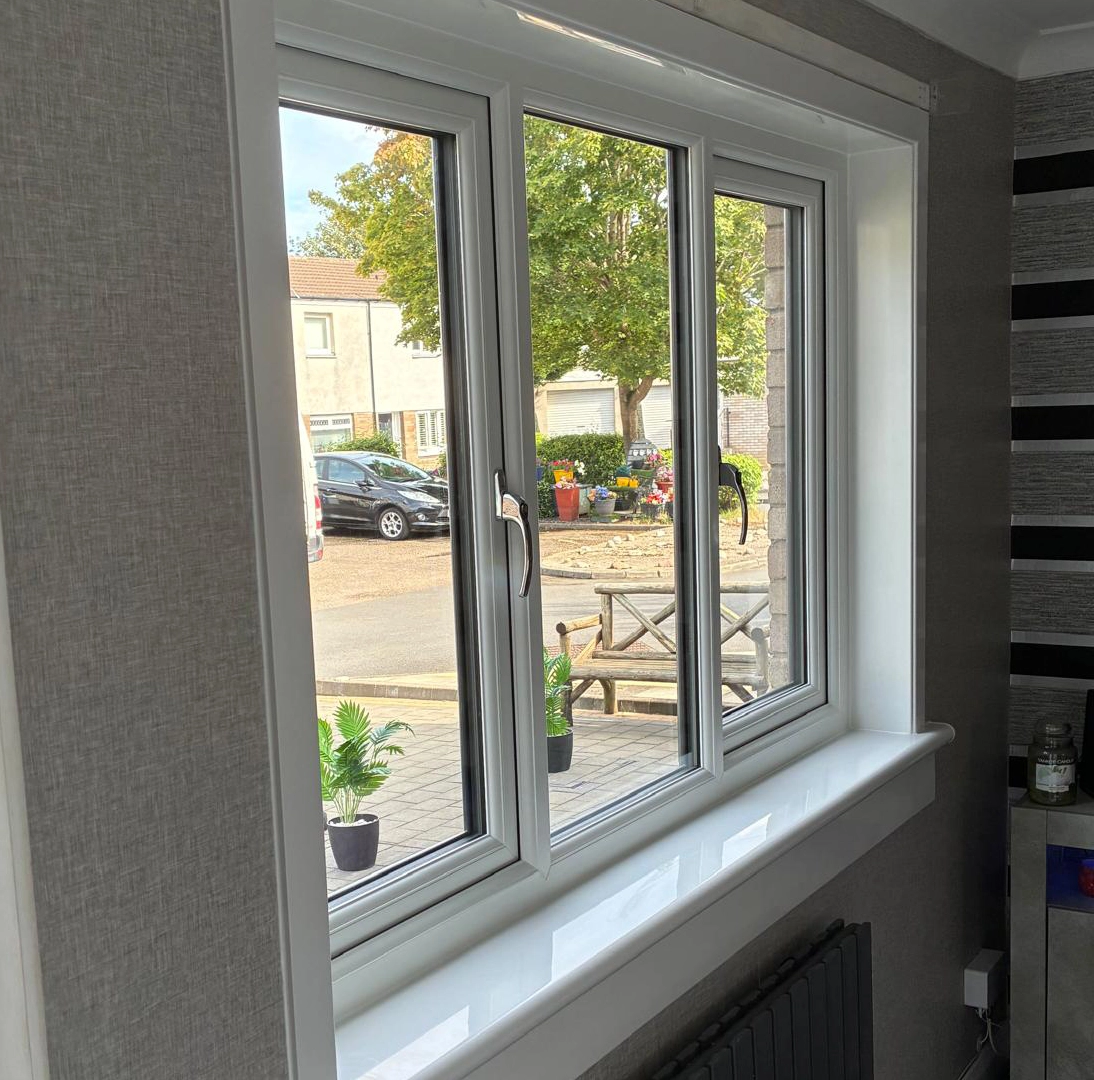
- Casement windows are hinged on one side and open outward like a door. They close tightly against the frame, so they’re very energy efficient and secure. They provide full ventilation and unobstructed views, making them popular in modern homes and kitchens. The downside is that the outward‑opening sash needs space and can be caught by the wind.
- Tilt‑and‑turn windows have a dual opening mechanism. They can tilt inward from the top for safe ventilation or swing inwards from the side. This offers flexible ventilation options and allows easy cleaning from inside. Their inward‑opening design and multi‑point locking provide excellent security. They’re great for high‑rise flats, modern new‑builds and family homes where safety is a priority.
- Sliding sash windows (vertical sliders) are typical of Victorian and Georgian houses. They offer top and bottom ventilation and preserve period charm. Traditional single‑glazed sashes have poor insulation; U‑values can be around 5.0 W/m²K. Slimline heritage double glazing can reduce this to 1.1 W/m²K without altering the appearance. Modern sash windows can also incorporate PAS 24 security features.
- Flush sash windows have sashes that sit flush with the frame. They mimic the look of traditional timber windows but offer modern energy efficiency. Good for conservation areas or people who want a clean, understated appearance.
- Fully reversible windows rotate 180 degrees so you can clean the outside face from inside. They’re ideal for flats and upper floors where external cleaning is difficult.
Different houses call for different styles. A Victorian tenement in Glasgow’s West End might need slimline double‑glazed sash windows to meet conservation rules and Part L’s 1.4 W/m²K requirement, whereas a new build in Motherwell may prefer casement or tilt‑and‑turn units for maximum energy performance and easy maintenance.
What about period properties?
Iain: we handle a lot of period homes around Edinburgh, Fife and the south side of Glasgow. how do we balance energy efficiency with heritage looks?
James: period homes need sympathetic upgrades. You can’t just stick modern plastic windows into a Georgian terrace – planners may reject them. Original single‑glazed sash windows have high U‑values (~5.0 W/m²K) and lose heat. Modern standard double glazing improves performance but often looks bulky and is not allowed in conservation areas.
The solution is slimline heritage double glazing, where thin double‑glazed units fit inside existing timber frames. These can achieve U‑values around 1.1 W/m²K and maintain original sightlines. We also add draught seals and brush piles around sashes to prevent airflow. In new extensions attached to period properties, we make sure windows meet Part Q for security and Part L for thermal performance. Working with local conservation officers helps ensure compliance.
How do new windows deal with condensation and ventilation?
Iain: people worry that airtight windows might cause condensation. what’s the solution?
James: modern windows are more airtight than old ones, so ventilation matters. We incorporate trickle vents – small adjustable openings – into frames to let a controlled amount of air in. This helps prevent condensation and maintains indoor air quality. If you see condensation inside your double glazing, the seal is broken and the unit should be replaced. Condensation outside the glass actually means the window is very efficient, because the outer pane is cold enough for moisture to condense.
Advanced sealing and warm‑edge spacers also reduce moisture problems. In older houses, we sometimes recommend secondary glazing or heavy curtains alongside new windows to balance ventilation and energy efficiency.
Do triple‑glazed windows make homes quieter?
Iain: does that extra pane cut down noise from traffic or neighbours?
James: triple glazing does improve acoustic insulation, but the difference over double glazing varies. The extra pane and gas gap reduce external noise and help create a calm indoor environment. Many homeowners living near busy roads or under flight paths tell us their homes feel noticeably quieter after upgrading to triple glazing. However, if noise reduction is your top priority, you might consider acoustic glass or specially tuned laminated panes designed specifically for sound insulation. We can advise on the best option during a survey.
How long do double‑glazed windows last and what maintenance do they need?
Iain: we offer a ten‑year guarantee at homesealed, but how long can customers realistically expect their windows to last?
James: good‑quality double or triple glazing should last 20 years or more if installed correctly. The frames need occasional cleaning and lubrication of hinges. uPVC only needs soapy water; timber frames should be repainted or stained every few years. Check seals and hardware annually. If you notice condensation between the panes, call us – that means the sealed unit has failed. With triple glazing, the heavier frames mean hardware must be strong; however, reduced condensation and temperature fluctuations can lower maintenance requirements.
Are there incentives or regulations encouraging energy‑efficient windows in Scotland?
Iain: do government schemes help with the cost of energy‑efficient glazing?
James: yes, though they change from time to time. The Scottish Government offers various grants and loans to improve home energy efficiency, especially for low‑income households and people in rural areas. Installing energy‑efficient windows can also improve your Energy Performance Certificate (EPC) rating, which may increase your property’s value and make it easier to sell. For people living in conservation areas or listed buildings, we recommend checking with your local council’s conservation officer before making changes. In Scotland there’s strong emphasis on reducing carbon emissions, so homeowners benefit from investing in quality glazing that reduces heat loss.
What should someone consider before choosing new windows?
Iain: if someone reading this is thinking about replacing their windows, what key points should they weigh up?
James: think about:
- Your home’s location and exposure. A semi‑detached home in Paisley might need different glazing than a cottage exposed to North Sea winds in Fife.
- Energy performance. Check the window’s U‑value and energy rating label (A++ to E) from the British Fenestration Rating Council. The label considers heat loss, draughts and solar gain.
- Frame materials. Choose uPVC for low maintenance, aluminium for slim frames and corrosion resistance, timber for traditional looks and sustainability.
- Style and planning requirements. Conservation areas may require slimline sash windows.
- Security standards. Look for PAS 24 certification and multi‑point locking.
- Budget and future savings. Triple glazing costs more up front but offers better insulation and may pay for itself over time through reduced bills.
Homesealed’s team can survey your property, discuss these factors and provide a no‑pressure quote. We also handle any planning paperwork required for listed buildings or conservation areas.
Final thoughts
Iain: thanks, James. any final advice for our readers?
James: good windows are an investment in comfort, security and long‑term value. Whether you live in a city flat in Glasgow, a Victorian terrace in Edinburgh or a cottage on the Fife coast, modern double or triple glazing will make your home warmer and quieter. In Scotland’s changeable climate, that means fewer cold draughts in January and less noise from August festivals. Choose a trusted local installer that understands both the technical side of glazing and the character of our homes. At Homesealed we’re proud to be family‑run and to serve customers across Central Scotland – from Ayrshire to Dundee and from Stirling to the Borders. We’re always here to answer your questions.