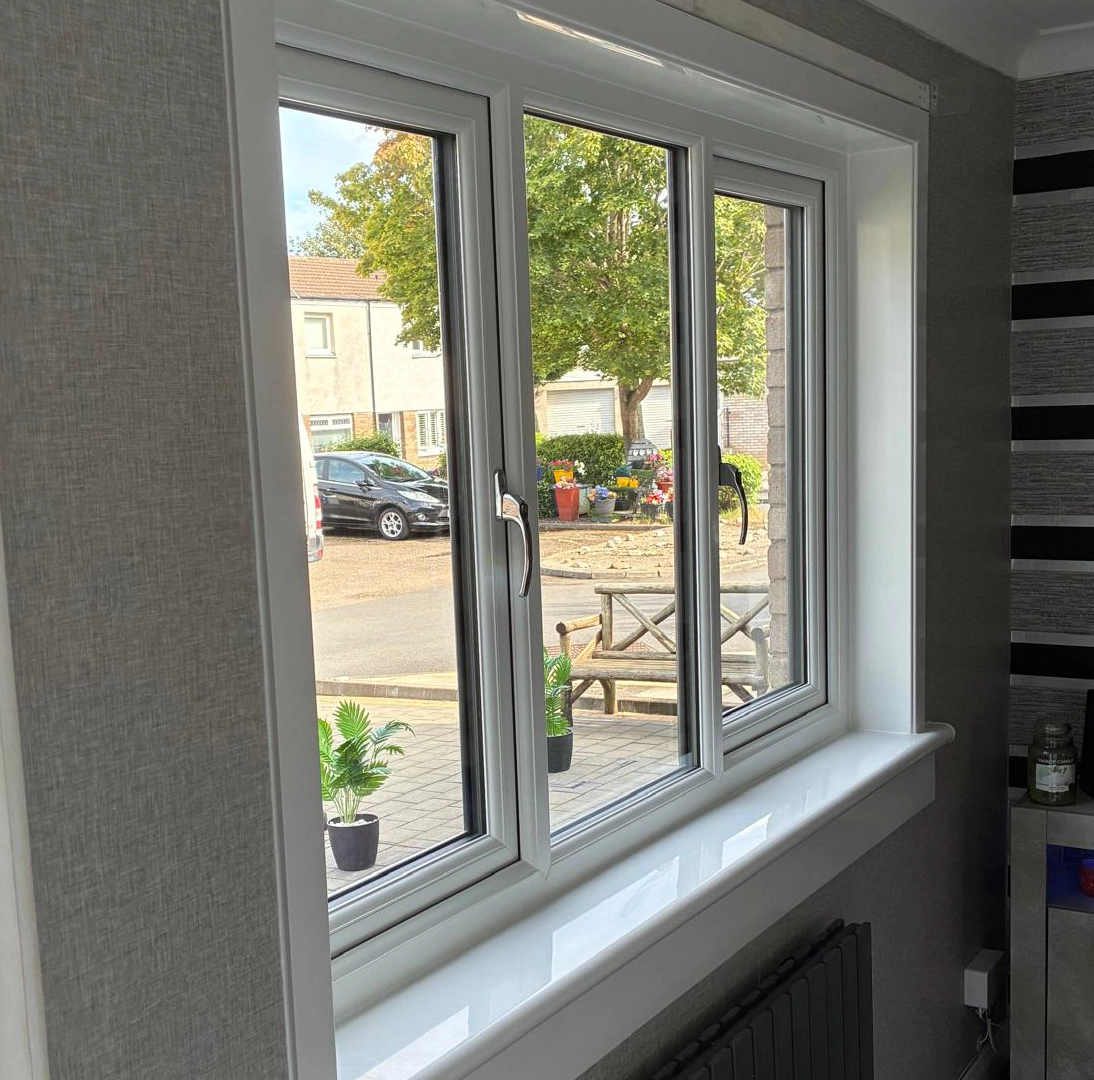
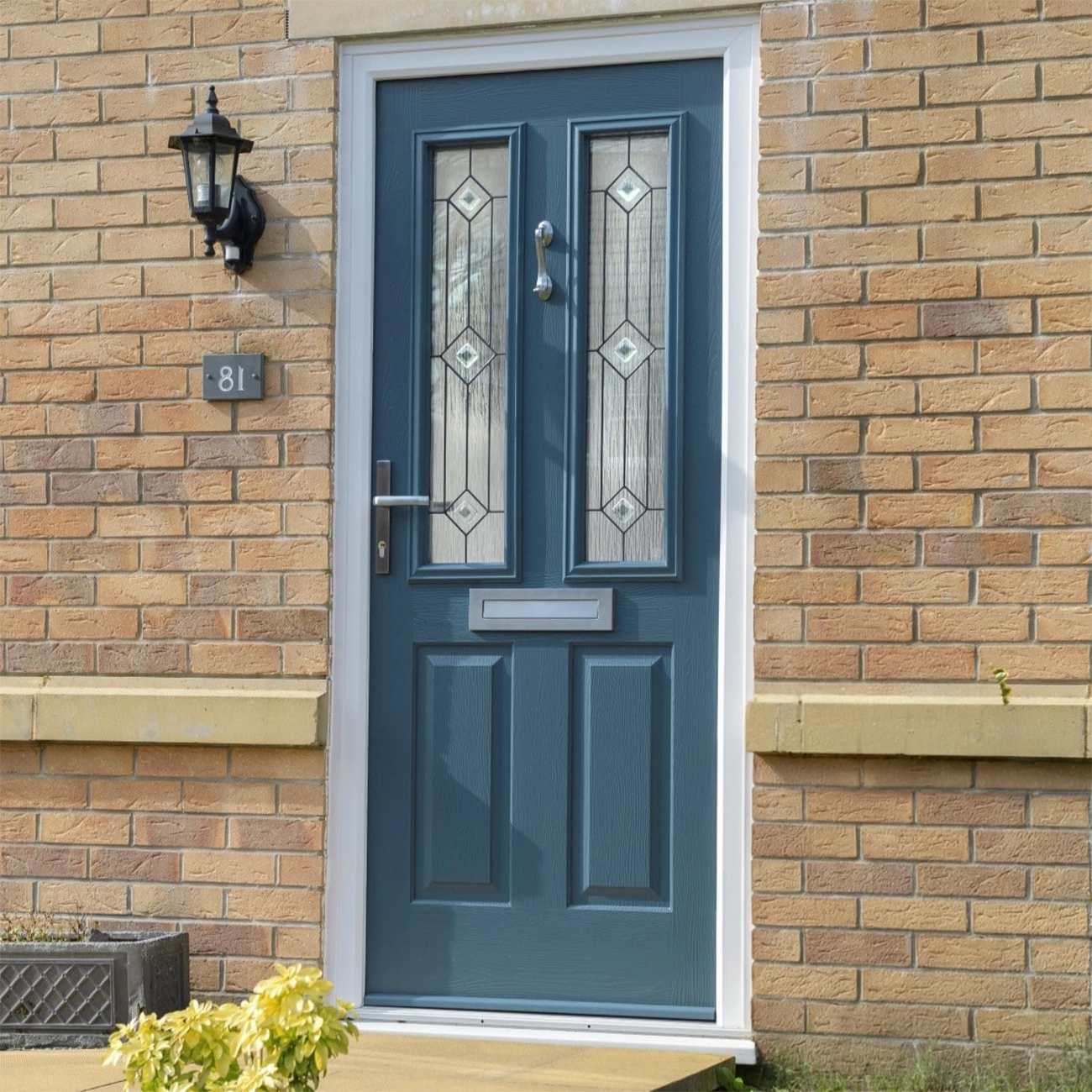
Single Glazed vs Double Glazed Windows: The Difference Glasgow Homeowners Feel
Single glazing quietly costs Glasgow homeowners in heat, noise, condensation, and security every day it stays in. This guide breaks down exactly what
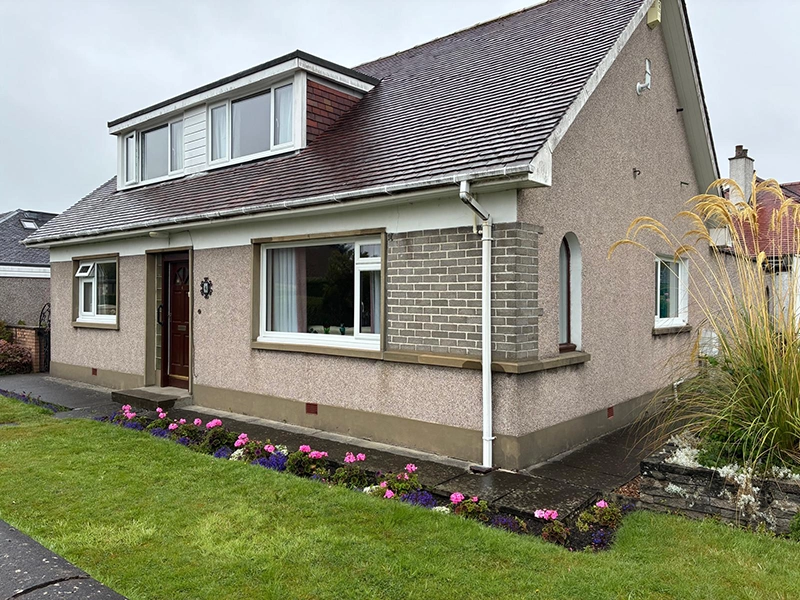
If you're still living with single glazed windows in Glasgow in 2026, you're sitting on the single biggest upgrade you can make to a period property. Not the kitchen. Not the bathroom. The windows. Here's what actually changes, room by room, once single panes come out and modern double or triple glazing goes in.
The heat difference is the one people feel first
A single pane of glass has almost no insulating value. It's just glass with a wooden or old aluminium frame around it, doing very little to stop heat moving straight through. Homeowners with single glazing in Glasgow's sandstone tenements and Victorian terraces know this feeling well — you can be sitting right next to the window in a jumper and still feel the cold radiating off the glass, even with the heating on full.
Double glazing works differently because there are two panes with a sealed gas-filled gap between them, usually argon. That gap is what does the work. Modern A-rated double glazing typically achieves a U-value somewhere between 1.2 and 1.4 W/m²K. Triple glazing, with its extra pane and second gas-filled gap, can push that down to around 0.8 W/m²K. Lower U-value means less heat escaping through the glass, full stop.
Replacing single glazing with new A-rated double glazing can save a typical semi-detached Scottish home in the region of £140 a year on heating. Go from single glazing to triple, and some studies put the saving as high as 50% on heating costs, though that depends heavily on how exposed the house is and what it's like now. Either way, the change isn't subtle. Most customers notice within the first cold snap that the room actually holds its heat instead of leaking it back out the window.
Cold spots and draughts disappear
This is the bit people undersell when they're deciding whether to bother. Single glazed rooms have a cold spot around the window, sometimes a metre or more into the room, purely because the glass is acting like a radiator running in reverse. Sit a sofa or a chair near a single glazed bay window in a Glasgow winter and you'll know exactly what we mean.
With double or triple glazed windows fitted properly, that cold zone mostly goes away. The inner pane stays close to room temperature because the sealed unit is doing the job of keeping the cold outer air separated from your living space. No more herding furniture away from the windows in December.
Draughts are a separate issue but they usually go hand in hand with single glazing. Old timber sash frames warp, gaps open up around the edges, and putty perishes. Modern uPVC or composite frames with multi-point locking close tight against a compression seal, so the draught problem gets solved at the same time as the heat loss problem, even though they're technically two different things.
Noise drops more than most people expect
Single glazing does almost nothing to block outside noise. One thin pane of glass just isn't enough mass to stop sound waves passing through. If you live near Great Western Road, the M8, or any of the busier streets running through Glasgow's West End, Southside or city centre, you'll already know this.
Double glazing cuts a noticeable amount of that noise simply because there are two panes and an air gap acting as a buffer. Triple glazing goes further again, and it's one of the main reasons homeowners in noisier parts of Glasgow and Edinburgh choose it over double, even when the heat-loss argument alone wouldn't justify the extra cost. If traffic noise, late-night buses or a busy road outside is genuinely disrupting your sleep, that's usually the deciding factor, more than the energy bill.
Condensation on the inside of the glass
Single glazed windows fog up on the inside constantly through a Glasgow winter. It's simple physics — the inner surface of a single pane is nearly as cold as the outside air, so warm moist air from cooking, showers, or just breathing hits that cold glass and condenses. Wake up, and there's a line of water sitting on the sill.
Double and triple glazing keeps the inner pane much closer to room temperature, so that condensation mostly stops forming in the first place. It won't fix a damp problem that's coming from somewhere else in the house, and we'll always say that honestly rather than oversell it, but for condensation caused specifically by cold single glass, replacing the windows solves it directly.
Security is a bigger jump than people expect
Old single glazed windows, especially original timber sash windows from Glasgow's tenements, often have basic catches that a determined person could force with very little effort. There's no multi-point locking, no reinforced frame, and single glass breaks easily compared to the toughened or laminated glass used in modern units.
Every window Homesealed fits meets PAS 24 security standards, and we're accredited under Secured By Design, the police-backed security initiative. That means internally glazed units, so the glass can't be popped out from outside, multi-point locking, and reinforced frames as standard. For a lot of customers, especially on ground floor flats or houses backing onto lanes, this is as big a motivator as the heat and noise.
Double or triple — what actually makes sense for a Glasgow home
We get asked this constantly, so here's the honest version. For most homes that require new windows in Glasgow, A-rated double glazing gives you the best balance of cost and performance. With a decent modern uPVC profile, double glazing can already reach U-values as low as 1.2 W/m²K and an A++ Window Energy Rating without needing triple glazing at all.
Triple glazing costs roughly 10 to 20% more than double, and the units are heavier, which matters on some older frames. Where we do see homeowners choose triple over double, it's usually one of two reasons: they're in a genuinely exposed spot, or noise is the main problem they're trying to solve, not just heat loss. For a standard Glasgow tenement or semi, double glazing is nearly always the sensible call. For a farmhouse out towards the exposed edges of Central Scotland, or a flat two floors up on a genuinely busy road, triple earns its extra cost.
Mistakes people make when switching from single glazing
We see the same handful of mistakes on nearly every job where single glazing is coming out.
- Assuming any double glazing will do. Cheap, poorly fitted units can perform barely better than old single glazing if the gas seal fails early or the frame isn't installed square. The glass matters, but so does the fitting.
- Ignoring the frame material. Old, thin uPVC or poorly insulated frames undo a lot of the benefit of the glass upgrade. A multi-chambered frame, like the Liniar profile we fit, matters as much as the glazing unit itself.
- Not thinking about the whole house at once. Doing one or two rooms and leaving the rest single glazed still leaves cold spots and condensation everywhere else. It's understandable when budget is tight, but it's worth knowing the difference won't be felt fully until the job's finished.
- Skipping the survey stage. Every window opening in an older Glasgow property is slightly different, especially in tenements and older sandstone builds. A proper technical survey avoids gaps, poor fits, and problems down the line.
What happens if you leave single glazing in place
Nothing dramatic happens overnight, which is exactly why so many Glasgow homeowners put it off. But single glazing keeps costing money every single day it stays in. Heat keeps escaping through the glass. The boiler keeps working harder than it needs to. Condensation keeps building on the inside of the panes through winter, which over years can lead to mould around frames and sills. And the security gap stays exactly where it was.
It's a slow, quiet cost rather than a sudden one. That's usually why people finally act after a particularly cold winter, a spike in the energy bill, or a break-in nearby that makes the old catches on the sash windows suddenly feel a lot less reassuring.
How Homesealed handles the switch
We've been fitting windows across Glasgow and Central Scotland since 2011, with our own in-house fitting teams rather than subcontractors. The process is straightforward:
- Free survey. No cost, no obligation. We'll tell you honestly what your home needs, including if triple glazing genuinely makes sense or if double is the better call.
- Clear quote. No pressure to decide on the spot.
- Zero deposit option. Buy Now, Pay Later is available over up to 12 months.
- Fast installation. A typical home is done in one to two days, with our team clearing up as they go.
- 10-year guarantee on our Liniar frames as standard.
If you're ready to find out what replacing single glazing would actually mean for your home, get in touch for a free quote or call 0141 266 0032.
FAQ
How much can I save switching from single to double glazing in Glasgow?
Replacing single glazed windows with new A-rated double glazing can save a typical semi-detached Scottish home in the region of £140 a year on heating, along with a noticeable drop in draughts and condensation. It also cuts CO₂ emissions by around 380kg a year for a typical home.
Is triple glazing worth the extra cost for a Glasgow home?
For most Glasgow properties, A-rated double glazing already delivers strong performance and a good balance of cost against savings. Triple glazing costs roughly 10 to 20% more and tends to make the most sense for homes in exposed locations or on noisy roads, where the extra insulation and soundproofing are worth paying for.
Will new windows actually stop condensation on the inside of the glass?
In most cases, yes, when the condensation is being caused by cold single glazing. Modern double and triple glazed units keep the inner pane closer to room temperature, so warm indoor air doesn't condense on contact the way it does with a single cold pane.
How long does it take to replace single glazed windows in a typical Glasgow home?
A typical house takes one to two days for a full window replacement, depending on the number of windows and any complications with the openings. Homesealed's own in-house fitting teams handle the whole job, including tidying up afterwards.
Do I need to replace every window at once?
No, but it's worth knowing the full benefit — less noise, no cold spots, no condensation — is only felt once every room has been upgraded. A free survey from Homesealed can help you plan a phased approach if budget means doing the job in stages.
Does Homesealed offer finance for window replacement?
Yes. Zero deposit is available, along with Buy Now, Pay Later options over up to 12 months, so there's no large upfront cost to deal with before the work starts.