When to Replace Your Roof in Scotland: The 50-Year Rule & Warning Signs
Homesealed's roofing expert reveals why the "50-year rule" is crucial for Scottish homes. Discover the 5 warning signs your roof is need replaced.
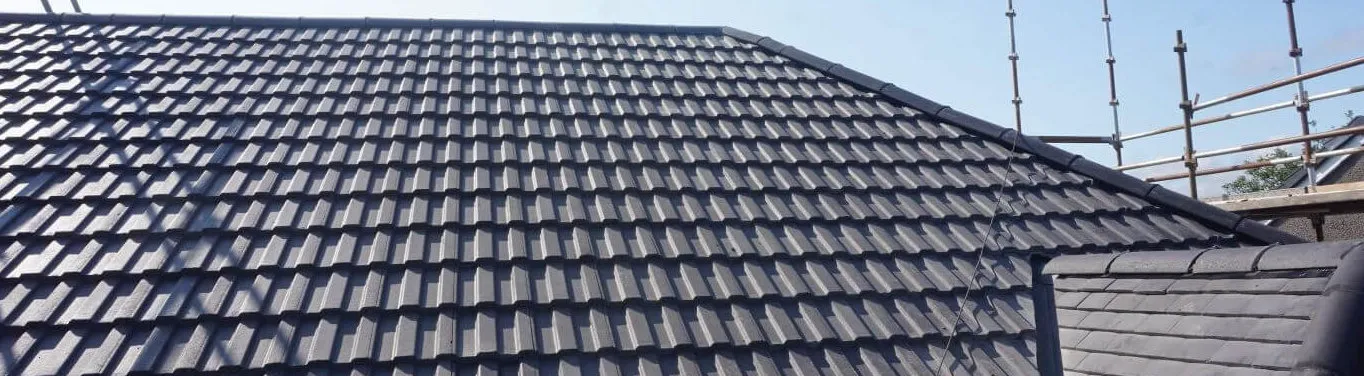
Is your roof reaching the end of its life? Homesealed's roofing expert Robert explains the 50-year tile limit and how Scotland's weather impacts your home.
When to Replace Your Roof in Scotland: The 50-Year Rule & Warning Signs
Is Your Scottish Home Due a New Roof?
For most homeowners in Scotland, the roof is "out of sight, out of mind"—until a damp patch appears on the bedroom ceiling after a week of horizontal rain.
But according to our leading roofing specialist at Homesealed, Robert, waiting for a leak is the most expensive way to manage your property. With decades of experience navigating the unique architectural challenges of Glasgow, Edinburgh, and the Central Belt, Robert has one golden rule that every homeowner should know.
"Most standard concrete or clay roof tiles have a functional lifespan of around 50 years," says Robert. "In the harsh Scottish climate, where we deal with constant moisture and rapid freeze-thaw cycles, hitting that half-century mark is usually the signal that the structural integrity of your roof is compromised."
In this comprehensive guide, we’ll explore the "50-year rule," the specific symptoms of a failing Scottish roof, and why local expertise is non-negotiable when it comes to protection.
The 50-Year Rule: Why Age Matters
While some slate roofs (common in older West End tenements) can last longer, the vast majority of post-war and modern Scottish housing uses concrete or clay tiles.
As Robert explains, it isn't just the tile itself that ages; it’s the entire system.
- Porosity: Over 50 years, tiles become porous. They soak up water rather than shedding it. When that water freezes, the tile cracks from the inside out.
- Nail Sickness: The galvanised nails holding your tiles or slates in place eventually corrode. This leads to "slipping," where tiles slide out of alignment, exposing the felt underneath.
- The Underlayment: Older homes often use "sarking" boards and bitumen felt. After five decades, this felt becomes brittle and paper-thin, losing its ability to act as a secondary water barrier.
If your home was built or last re-roofed in the 1970s or early 80s, you are officially entering the "Red Zone" for roof failure.
5 Warning Signs Your Roof is Failing
1. The "Sand in the Gutter" Syndrome
Next time you clear your gutters (which we recommend doing after the autumn leaves fall in Scotland), look for a heavy layer of sand or grit. This is the protective mineral coating of your tiles washing away. Once the grit is gone, the tile is vulnerable to the elements.
2. Internal Damp and "Ghosting"
You don't need a puddle to have a leak. Look for dark stains on the rafters in your loft or "ghosting" marks on your upstairs ceilings. In the damp Scottish climate, these are often signs of "wicking," where moisture is being pulled through porous tiles.
3. Growth of Moss and Lichen
While a little moss looks "cottage-core," it’s a silent killer for roofs. Moss retains water. During a Scottish winter, that water freezes and expands, snapping the corners off your tiles. If your roof looks like a green carpet, its lifespan is being slashed significantly.
4. Daylight in the Attic
This is the simplest test. On a bright day, turn off the lights in your loft. If you can see even the smallest pinprick of daylight, water can get in. In Scotland, if light can get in, a gale-force wind will certainly drive rain through.
5. Sagging Ridgeline
Look at your house from across the street. Is the ridge (the very top point) perfectly straight? If it dips or bows, it suggests the timber rafters underneath have been weakened by long-term moisture, or the "weight" of old, water-heavy tiles is too much for the structure.
Why Scotland Requires a Different Approach
Roofing in Scotland isn't the same as roofing in the south of England. Our "driving rain" statistics are among the highest in Europe.
Robert’s Local Insight:
"We see a lot of 'cowboy' repairs where people just spray a coating over old tiles. In Scotland, that’s a disaster. It traps moisture inside the tile, causing it to rot the sarking boards underneath. At Homesealed, we believe in a full system replacement—new breathable membranes, treated battening, and high-quality tiles that can handle 100mph gusts."
The Benefits of a Modern Roof Replacement
Upgrading your roof isn't just about stopping leaks; it’s an investment in your property's value and efficiency.
- Improved Insulation: Replacing a roof allows us to ensure your loft insulation is up to modern standards, drastically reducing heat loss.
- Breathability: Modern "non-tenting" breathable membranes allow moisture to escape from your home while stopping rain from entering, preventing the dreaded Scottish attic mould.
- Dry-Fix Systems: We move away from traditional mortar (which cracks over time) to "Dry-Fix" ridge and verge systems. These are mechanically fixed and far more resistant to high winds.
Frequently Asked Questions (FAQ)
Q: Can I just replace a few broken tiles?
Robert: If the roof is under 20 years old, yes. But if your tiles are approaching the 50-year mark, replacing one often breaks the brittle tiles around it. It’s like putting a new patch on an old pair of jeans—eventually, the whole thing gives way.
Q: How long does a full roof replacement take?
Robert: For a standard semi-detached home in Scotland, we typically aim for 3 to 5 days, depending on the weather. We always ensure the home is "watertight" at the end of every working day.
Q: Does a new roof add value to my home?
Robert: Absolutely. A new roof with a transferable guarantee is a massive selling point. Surveyors in Scotland are very strict about roof age; having a 50-year-rated roof recently installed can prevent "Category 3" flags on a Home Report.
Q: What is the best tile for the Scottish climate?
Robert: We often recommend high-quality concrete tiles for their durability and weight (to stay put in storms), but we also offer synthetic slates for those who want that classic Edinburgh or Glasgow look without the maintenance of natural slate.
Get a Professional Assessment
Don't wait for the next storm to find out your roof is failing. If your home is hitting that 50-year milestone, it’s time for an expert eyes-on inspection.
Contact Robert and the Homesealed team today for a free, honest roof health check.
Call us: 0141 266 0032
Visit: www.homesealed.co.uk
Author Robert (Homesealed Roofing Specialist)